A Calm, Responsible Recovery Guide for Flock Parents
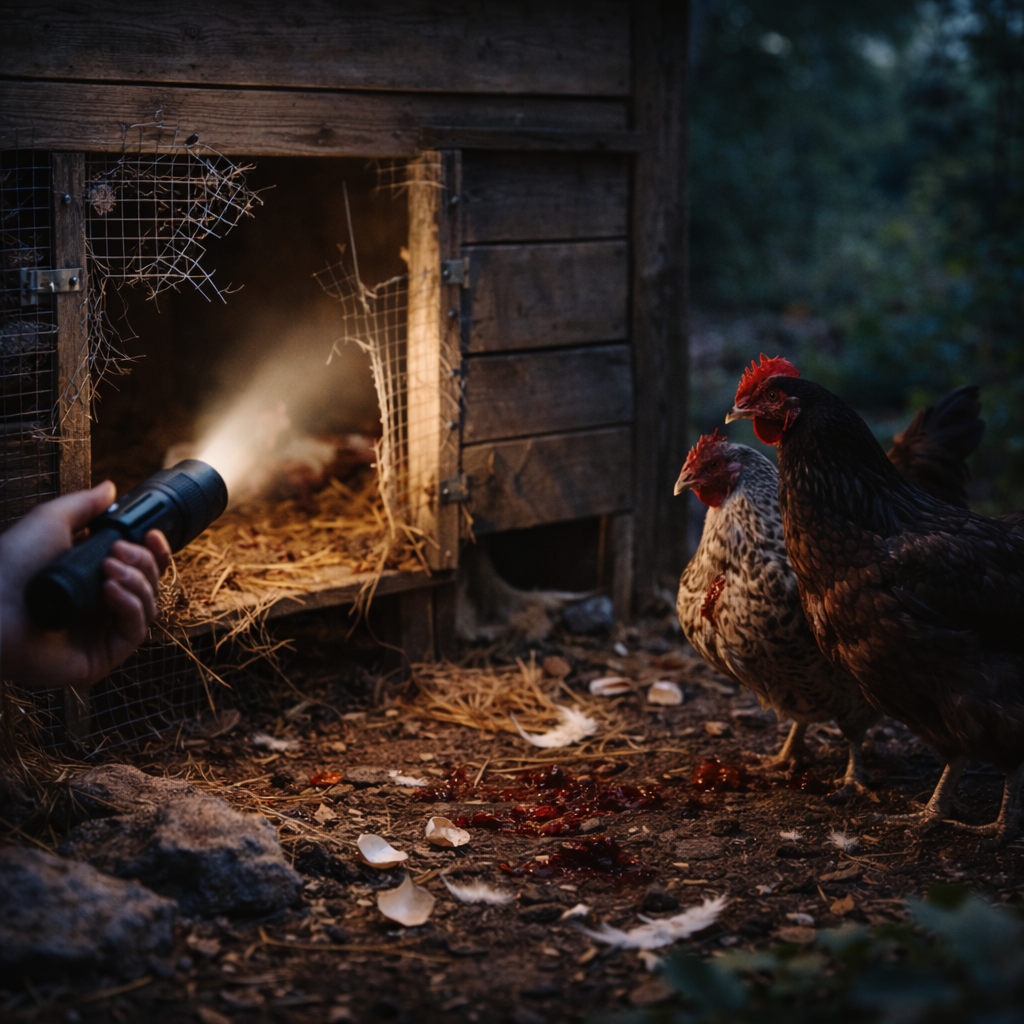
A predator attack is one of the most distressing experiences a flock parent can face. It can happen quickly, often overnight, and leaves both emotional and practical concerns behind.
The most important thing to remember:
This is not about blame.
It’s about recovery, reinforcement, and future protection.
Step 1: Secure the Coop Immediately
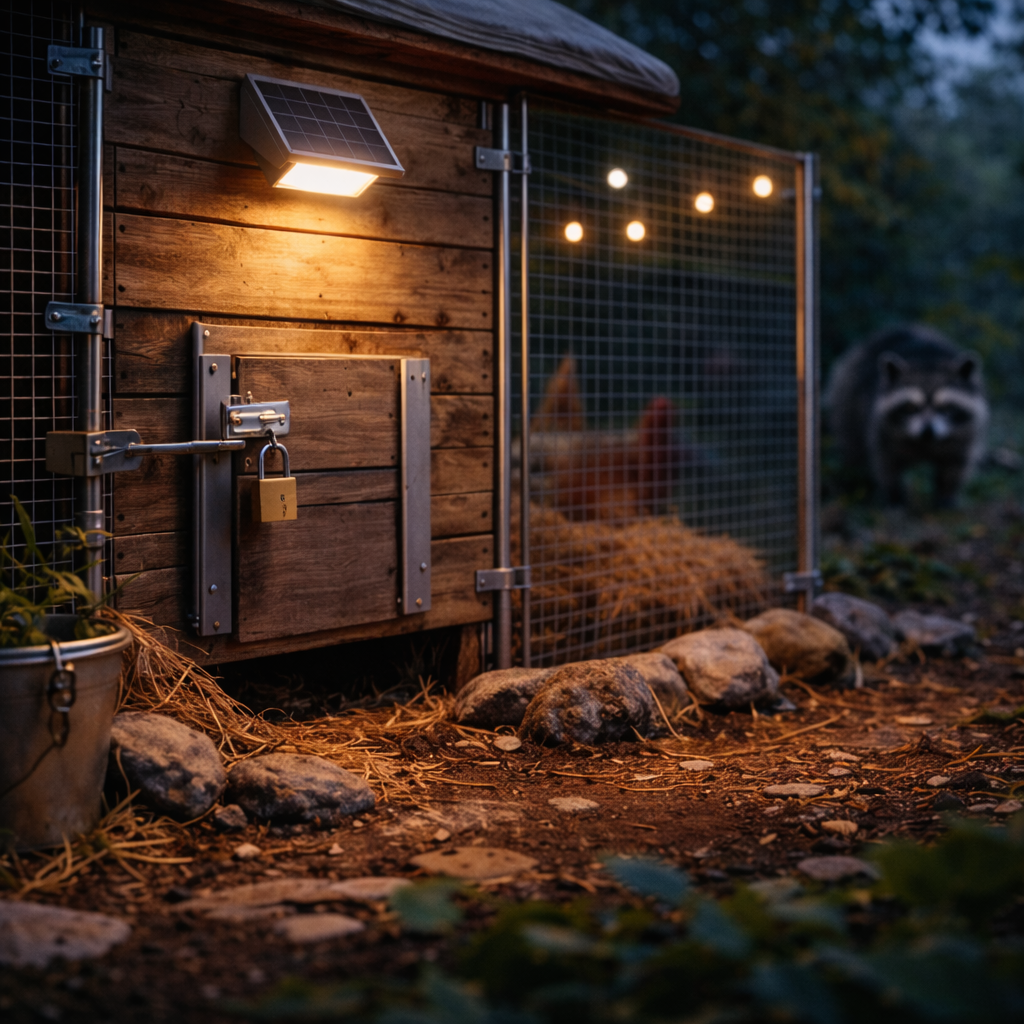
After an attack, predators may return. If a predator has successfully accessed your coop once, it will likely revisit the same location.
Your first priority should be:
- Closing and securing all coop entry points
- Reinforcing the door and latches
- Ensuring your flock is safely locked up at dusk
Consistency becomes even more critical after an incident.
Step 2: Check Your Flock Carefully
Even if losses are minimal, stress and injuries can affect the remaining hens.
Observe for:
- Signs of shock or hiding behavior
- Physical injuries
- Changes in eating or roosting habits
Your girls rely on calm, stable care after a stressful event.
Step 3: Identify How the Predator Gained Access
Understanding the entry point is essential for preventing future attacks.
Common weaknesses include:
- Forgotten lock-up
- Weak manual latches
- Gaps near the coop door
- Lightweight doors that can be lifted
Once the weakness is identified, reinforce it immediately.
Step 4: Reinforce Nighttime Protection
Many attacks happen due to inconsistent routines rather than structural failure. Even responsible flock parents cannot realistically guard the coop every night without fail.
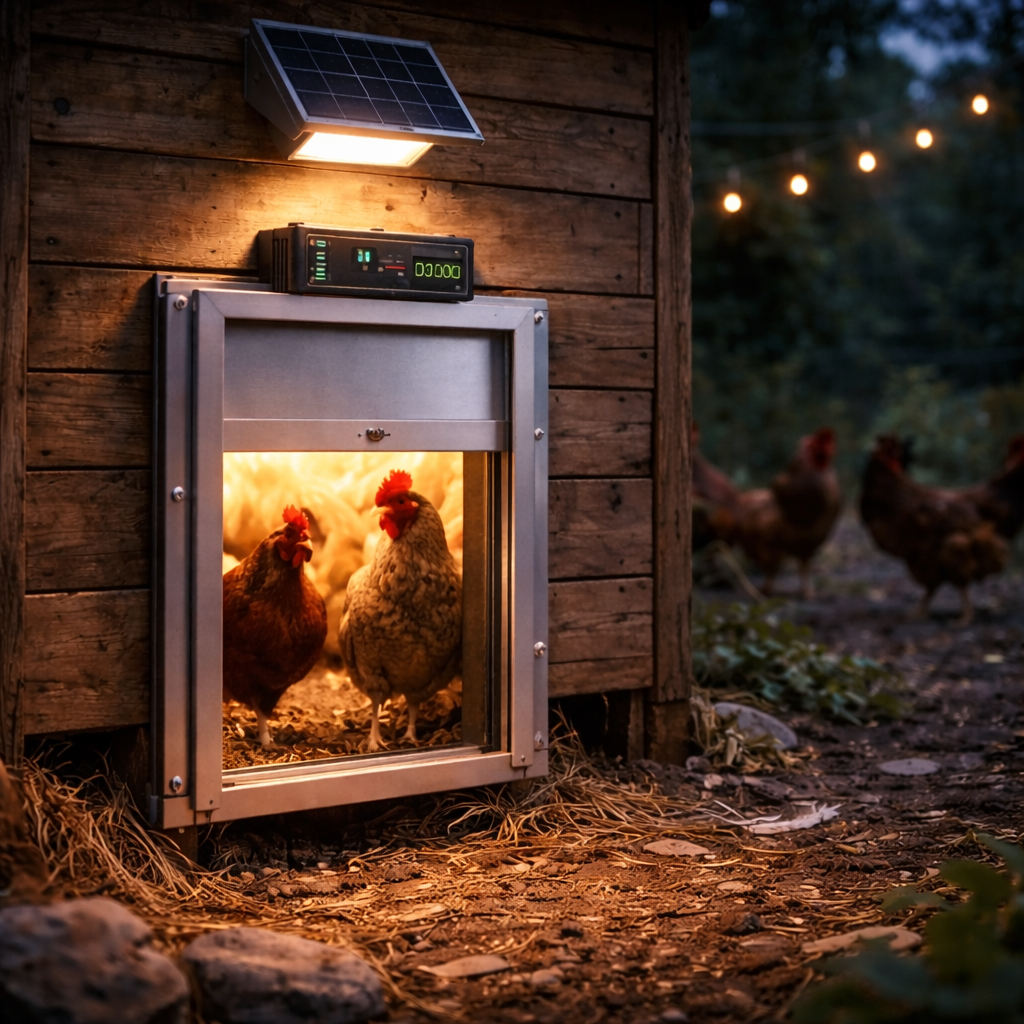
Reliable automatic lock-up helps ensure:
- The coop closes at dusk without delay
- Protection continues even during busy schedules
- Reduced anxiety about forgetting nightly routines
This shifts protection from memory-based to system-based.
Step 5: Restore Routine and Confidence
Chickens thrive on routine. After a predator event, maintaining a calm and consistent schedule helps your flock feel secure again.
Reintroduce:
- Regular feeding times
- Stable free-ranging hours
- Predictable lock-up routine
Protection is not just physical — it is psychological for both you and your flock.